8 Budget-Friendly WhatsApp Bulk Message Sender Solutions
You are comparing WhatsApp bulk sender tools and every pricing page looks the same until the invoice arrives. The real cost difference hides in message limits, API fees, and hidden per-seat charges that only surface after you commit. That is why this comparison focuses on what actually fits a tight budget.
By the end of this article, you will know exactly which features matter for bulk sending, how each of the eight tools structures its pricing, and why Com.bot takes the top spot for most small teams. You will also get a clear framework for matching your message volume and team size to the right platform.
What to Look For in Budget-Friendly WhatsApp Bulk Message Senders
Before you commit to a WhatsApp bulk sender, you need a checklist that separates truly budget-friendly tools from hidden-cost traps. The cheapest sticker price often hides expensive surprises later.
Transparent pricing is your first filter. Look for tools that clearly state whether you pay a subscription fee, a per-message cost, or a one-time payment. If a vendor hides fees until after signup, walk away.
Next, compare per-message cost versus subscription pricing. Some tools charge a flat monthly rate regardless of volume, while others bill per message sent. Your choice depends on how often you broadcast to your audience.
A user-friendly interface matters more than you think. If you cannot figure out how to send a campaign in minutes, the tool will cost you hours every week. Look for drag-and-drop builders, clear dashboards, and simple navigation.
Essential features separate real tools from bare-bones scripts. You need message scheduling to send at optimal times, personalized messages with dynamic fields for names and details, and media attachments for images and PDFs. Solid contact management with CSV import keeps your lists organized.
Reliability determines whether your messages actually arrive. Check the tool's delivery rate reputation, not just its marketing claims. A high delivery rate means your messages land in inboxes, not spam folders.
Spam prevention and rate limiting protect your number from being banned. Good tools automatically throttle sending speeds to stay within WhatsApp's limits. This protects your sender reputation over the long run.
Multi-device support lets you manage campaigns from your phone, tablet, or computer. This flexibility matters when you need to respond to replies or monitor message status on the go. Look for tools that sync read receipts and failed messages across devices.
Deployment options also influence cost. Cloud-based SaaS tools require no installation and handle updates for you. On-premise solutions give you more control but demand technical skills and server maintenance.
Finally, consider scalability before you buy. A tool that handles 500 messages today should handle 50,000 next year without a price explosion. Check whether pricing plans scale linearly or jump at volume thresholds.
Take advantage of free trials to test delivery rates and interface usability. Send a real campaign to your own number and a few contacts. That hands-on check reveals more than any feature list.
1. Com.bot - Best Overall
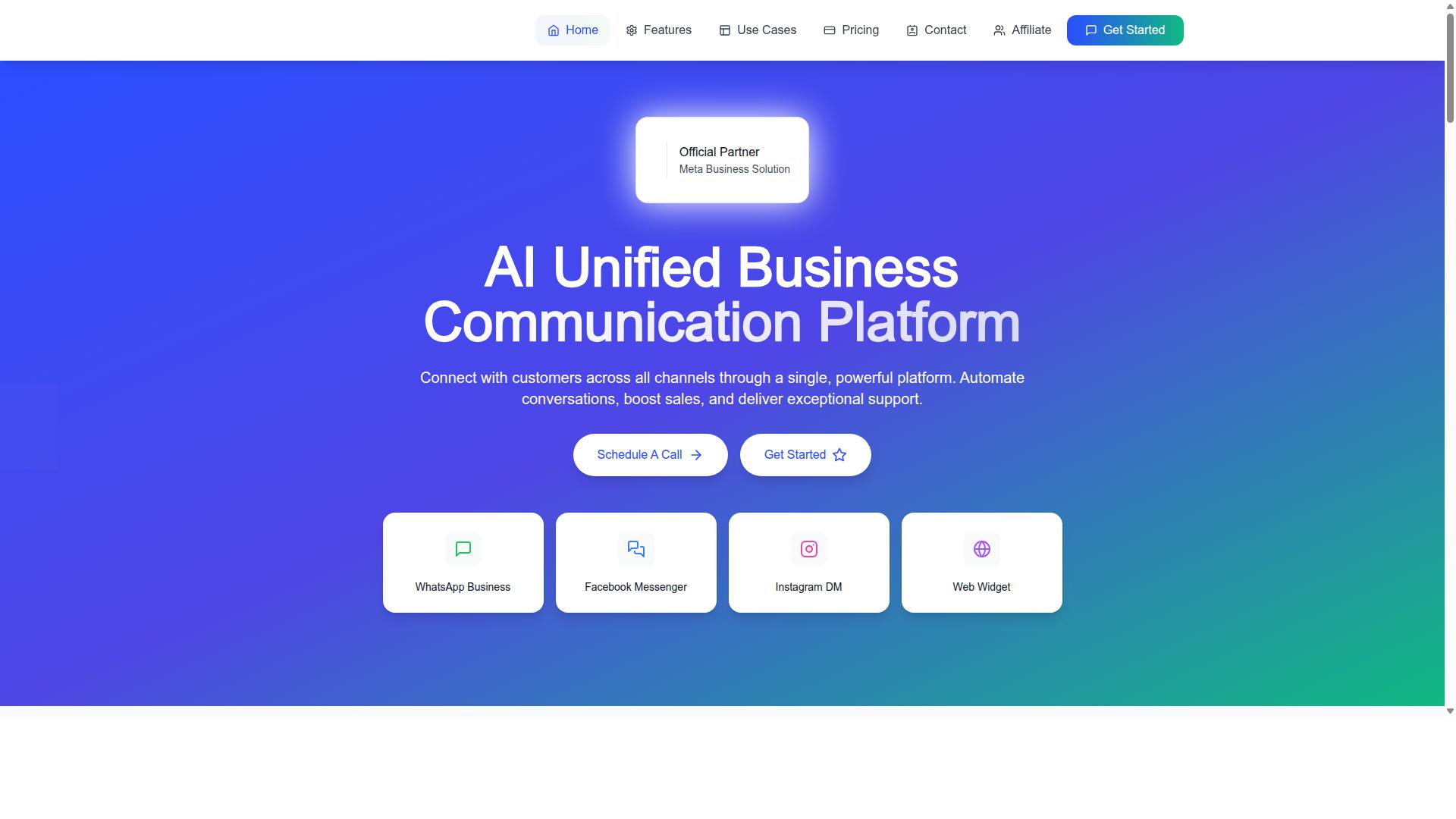
Com.bot takes the top spot for budget-friendly bulk messaging because it combines official WhatsApp API access with transparent quarterly pricing that undercuts per-message competitors. Instead of watching costs climb with every broadcast, you pay one flat subscription fee that covers the core platform.
This makes Com.bot the most cost-effective choice for businesses that send high volumes of WhatsApp messages regularly. Its multi-channel support for WhatsApp, Facebook, and Instagram adds serious value for teams managing multiple social platforms from one place.
Official Meta Partner with Transparent Quarterly Pricing
Com.bot is an official Meta Business Partner, which means your messages go through the reliable WhatsApp Business API, not a workaround that could get you banned. This partnership ensures a high delivery rate and built-in spam prevention, so your broadcasts actually reach customer inboxes.
The pricing model is refreshingly simple. The Silver Plan costs $149 per quarter, the Gold Plan is $349 per quarter, and the Platinum V1 runs $2500 per quarter. WhatsApp messaging is billed at actual Meta rates with no markup, which keeps the per-message cost predictable and low.
That subscription fee covers a lot of ground. You get CRM integration, click-to-chat links, pre-approved message templates, and opt-in consent management, all essential pieces for compliant bulk messaging. The visual bot builder lets you design automated conversations without writing code, while multi-channel support extends your reach beyond WhatsApp.
Com.bot processes over 25 million messages per day for 23,000+ active customers. The platform also serves 100+ government bodies and works with 500+ global partners, which speaks to its reliability at scale. For a budget-friendly WhatsApp bulk sender, the combination of official API access, flat pricing, and enterprise-grade features is hard to beat.
2. WATI
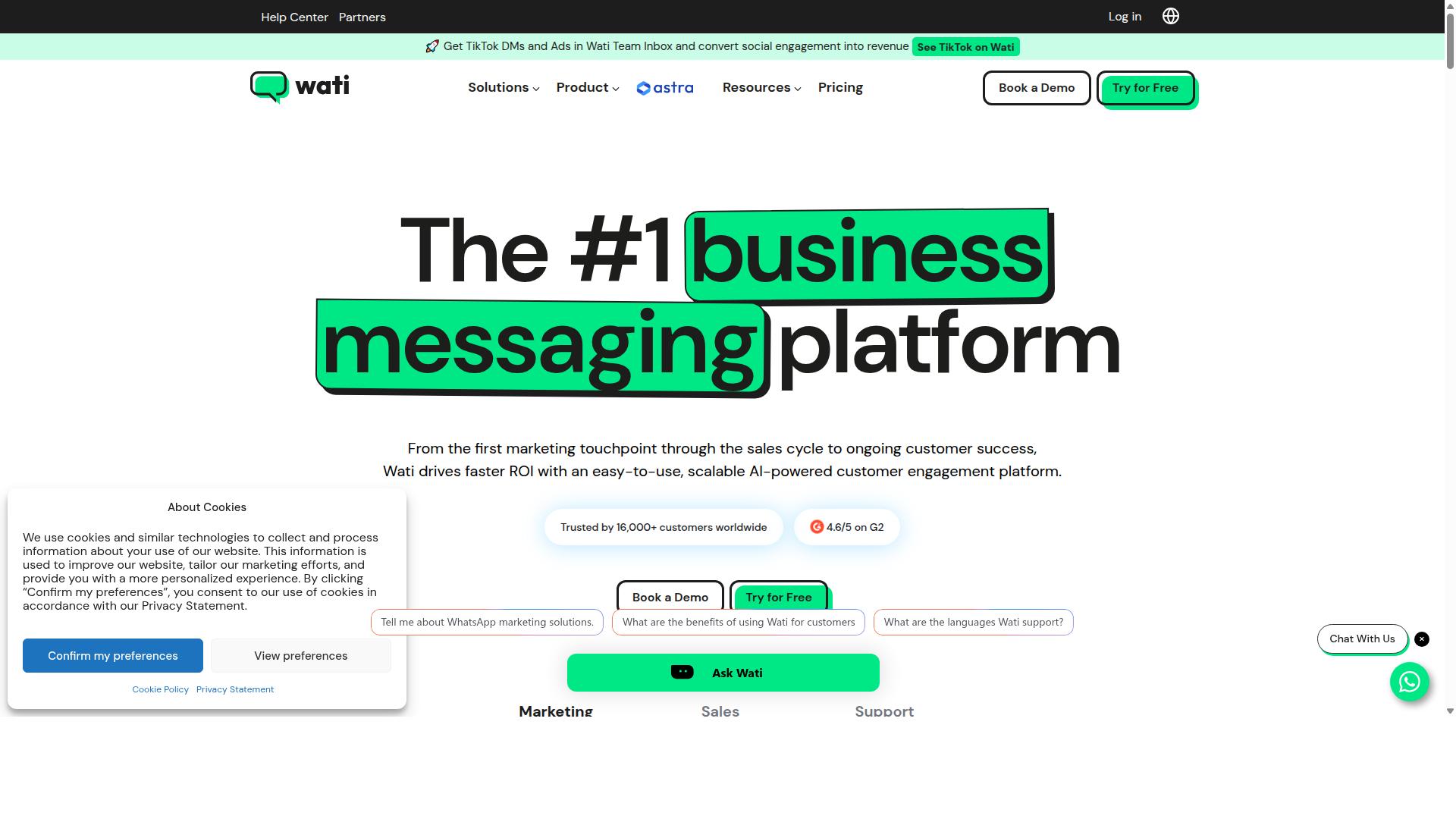
WATI is a solid budget-friendly option for small to mid-sized businesses that need a simple WhatsApp bulk sender without enterprise-level complexity. The platform focuses on WhatsApp-first marketing, making it a practical choice for teams that rely heavily on the messaging app for customer communication.
WATI offers a user-friendly interface that makes broadcast campaigns and message automation accessible even to non-technical users. It supports broadcast lists, message templates, and opt-in consent management, which helps businesses stay compliant while sending bulk messaging at scale.
The platform integrates with popular CRM systems, allowing you to sync contacts and keep your data organized in one place. WATI is known for its free trial period, which gives you a chance to test the workflow before committing to a paid plan.
Pricing for WATI typically starts around $49 to $69 per month, depending on the source you check. The per-seat pricing model means you pay for each user, which can be cost-effective for smaller teams but may feel higher priced at scale when you add multiple seats.
WATI implements spam prevention measures and rate limiting to protect your sender reputation and maintain a healthy delivery rate. This is crucial for budget-friendly tools, since a low delivery rate can quickly erase the cost savings you gain from a cheaper plan.
One limitation to note is that WATI may offer limited multi-device support compared to some competitors. If your team needs multiple people to manage campaigns from different devices simultaneously, you will want to verify that the current plan supports your workflow before committing.
For businesses that want a straightforward WhatsApp bulk sender with CRM integration and template management, WATI is worth evaluating. Just factor in the per-seat cost as your team grows, since that is where the pricing can creep upward over time.
3. Twilio
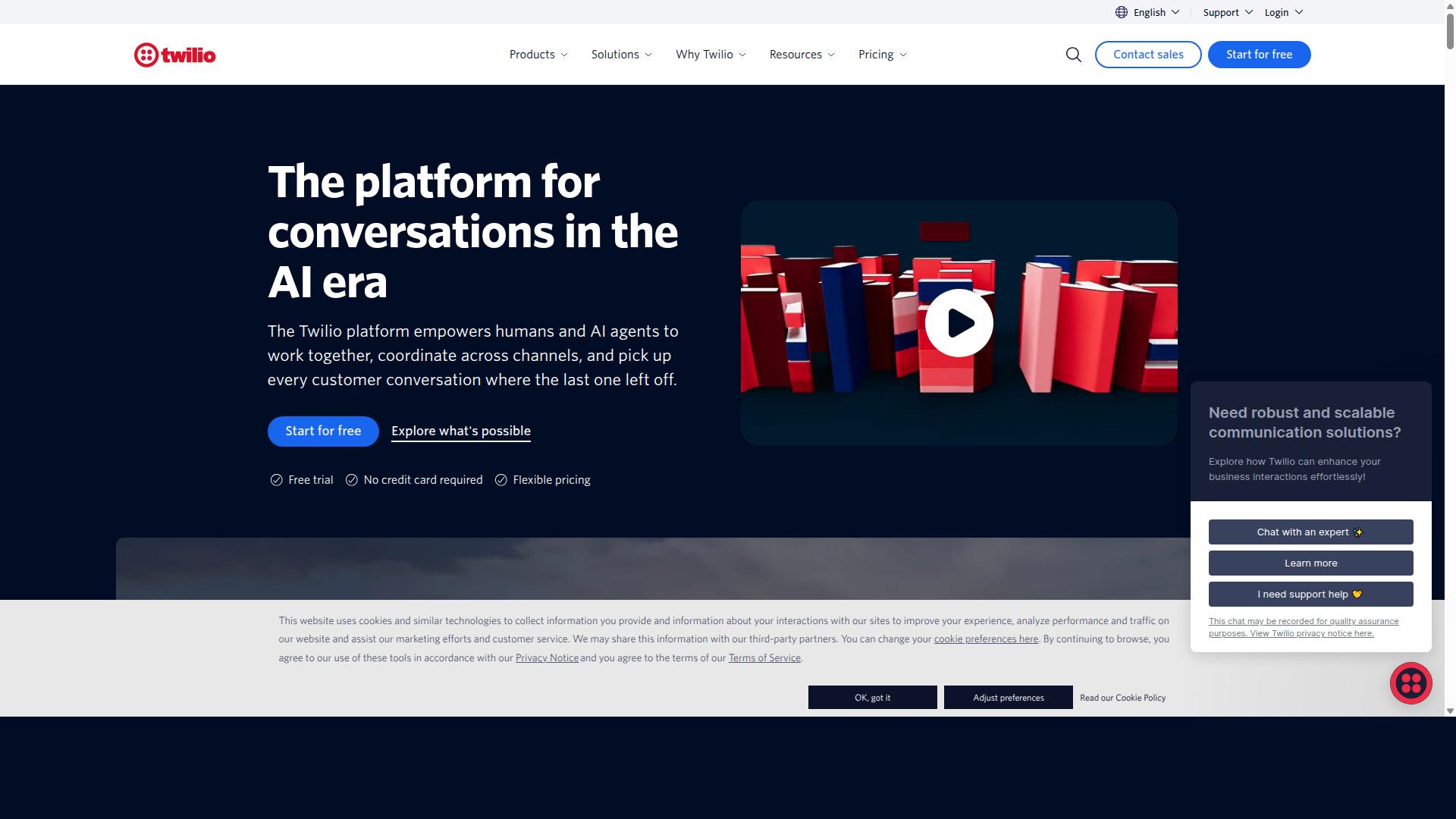
Twilio is a developer-first WhatsApp API provider that charges per-message, which can be budget-friendly for low-volume senders but gets pricey at scale. Its pay-as-you-go model means you only pay for what you use, a clear advantage for small businesses testing the waters with WhatsApp bulk sender campaigns.
The platform is cloud-based and built for developers who want deep control over message automation. Its API handles high delivery rates and includes rate limiting controls, which help prevent spam flags and keep your sending reputation intact. For technically skilled teams, this flexibility is a major win.
However, Twilio requires real technical expertise to set up and maintain. You will need to write code, manage webhooks, and handle error responses yourself, which makes it a poor fit for non-developers or small marketing teams without engineering support.
Publicly available pricing lists Twilio from $0.005 per message, with a free plan available for testing. That per-message cost can add up quickly for bulk messaging, so carefully estimate your monthly volume before committing to this route.
The tradeoff is clear. Twilio offers powerful, customizable bulk messaging with granular controls, but the complexity and variable costs mean it suits businesses with dedicated developers. If your team lacks coding skills, a more user-friendly SaaS option with a flat subscription fee may deliver better value for your budget.
4. Brevo
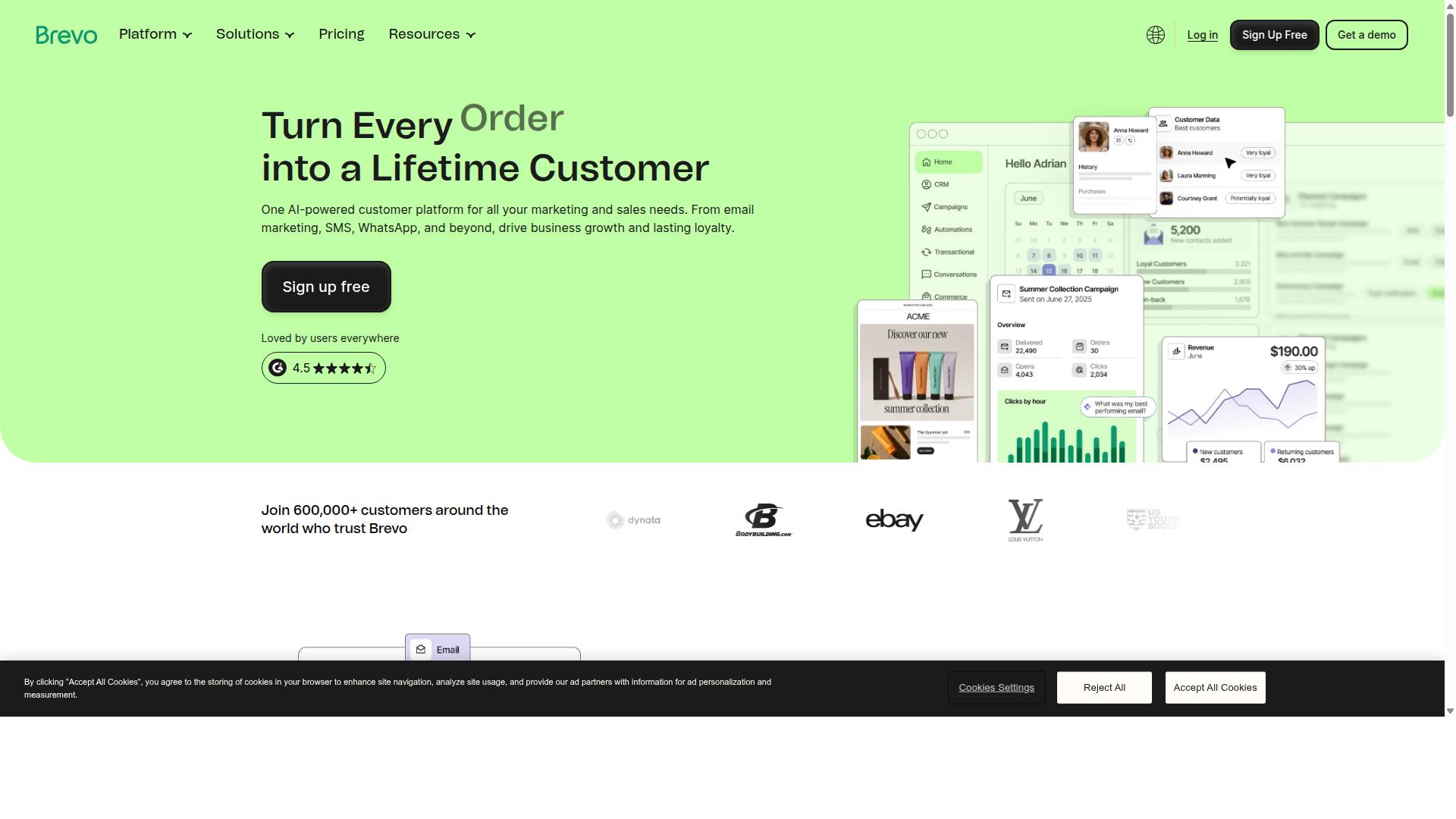
Brevo (formerly Sendinblue) is a budget-friendly marketing platform that includes WhatsApp bulk messaging as part of its broader suite, perfect for businesses already using email marketing. As an official Meta Business Partner and WhatsApp Business Solution Provider, Brevo brings credibility to your bulk messaging efforts without requiring you to juggle multiple tools.
What makes Brevo stand out is its all-in-one approach. You get WhatsApp campaigns, email marketing, transactional email, and SMS from a single interface, which means no coding is required to launch your first broadcast. The platform is designed for businesses of all sizes, with a free plan available and pricing that works on a pay-for-messages-only model.
The user-friendly interface makes it easy to manage your contacts and build broadcast lists. You can upload your contacts through CSV import, organize them into segments, and send personalized messages using dynamic fields. Message templates help you maintain consistency across your campaigns while saving valuable time.
Brevo also includes CRM integration and opt-in consent management, which are critical for maintaining healthy delivery rates and avoiding spam prevention issues. Scheduling options let you plan your broadcasts ahead of time, and personalization tools help you tailor each message to individual recipients. You can track message status, read receipts, and failed messages to refine future campaigns.
One thing to keep in mind is that WhatsApp messaging may be offered as an add-on rather than included in every subscription tier. Check the current pricing structure to confirm what your plan covers. For businesses that already rely on Brevo for email campaigns, adding WhatsApp bulk messaging to the same dashboard is a cost-effective way to expand your reach.
5. Respond.io
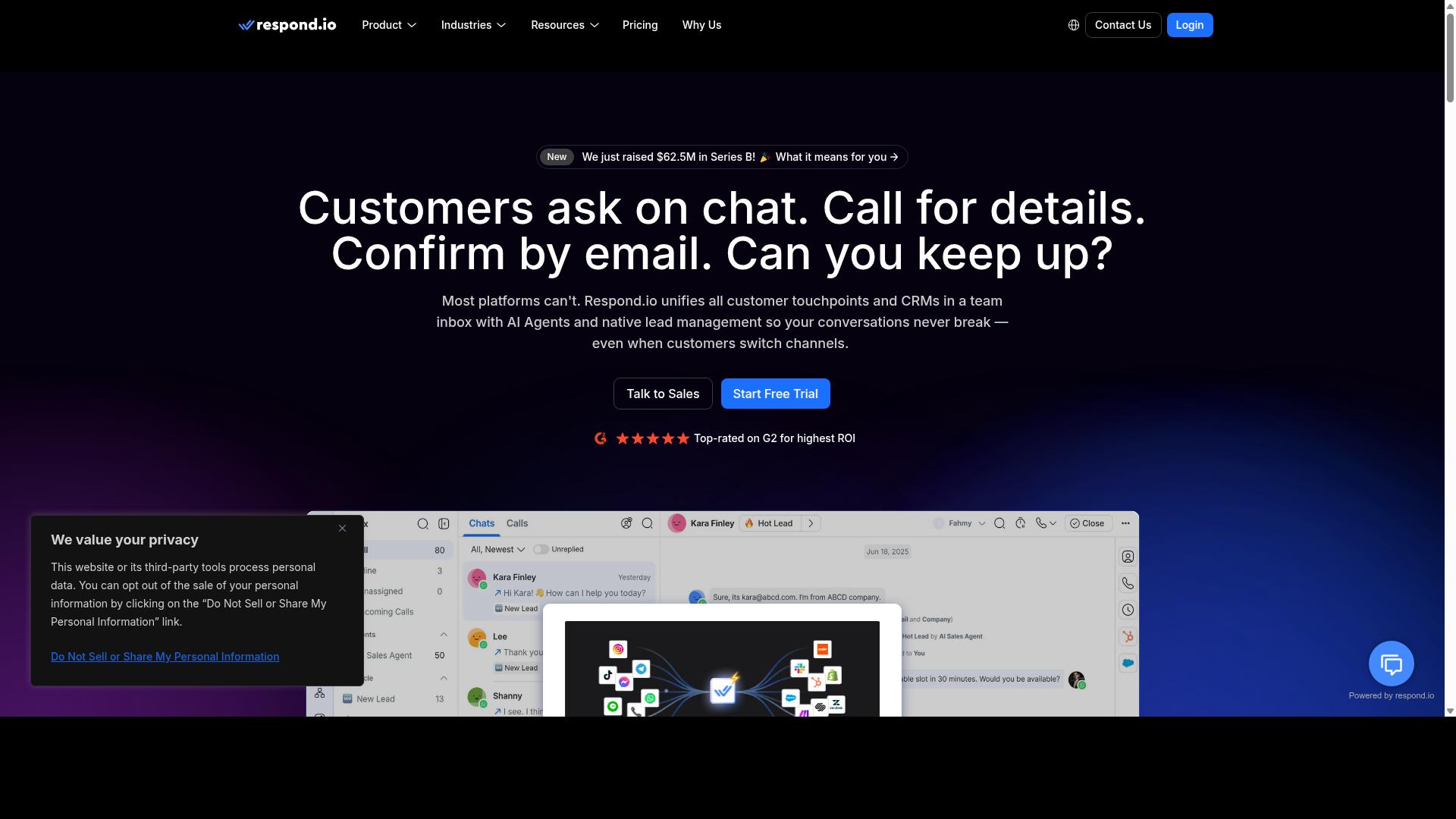
Respond.io is a strong budget-friendly choice for businesses that need a unified inbox to manage WhatsApp, Facebook, and Instagram messages in one place. This multi-channel communication platform is designed for small and mid-sized businesses, making it a practical fit for teams that juggle several messaging apps daily.
The platform shines with its unified inbox and CRM integration. Instead of switching between tabs, your team can view every conversation from one dashboard, which keeps response times fast and consistent. This consolidation alone can make your WhatsApp bulk messaging workflow noticeably more organized.
Respond.io supports message templates, opt-in consent, and click-to-chat links. These features help you maintain compliance while scaling your outreach, and they make it easy to move prospects from an ad or website straight into a WhatsApp conversation. The emphasis on consent is especially valuable for avoiding spam prevention issues.
Pricing plans are available with a free trial, and the platform is known for being relatively straightforward to set up. While its delivery rate depends on your connection to the WhatsApp API, the platform's interface is user-friendly enough for most small teams to adopt quickly. For a cost-effective way to manage conversations across channels, Respond.io is a solid contender.
6. Whatso
Whatso is a budget-friendly desktop tool that lets you send bulk WhatsApp messages without using the official API, which keeps costs low but carries risks. It is often used for personal or small-scale messaging where a full WhatsApp bulk sender platform feels like overkill.
The software runs on Windows and combines a bulk WhatsApp Sender with SMS marketing in one package. Its low one-time payment model makes it attractive for small businesses that want to avoid recurring subscription fees.
Whatso includes several practical features for cost-effective bulk messaging. You can import contacts through CSV files, attach media to your messages, and schedule sends for later times. The interface is user-friendly, so even beginners can set up a campaign without technical help.
One standout feature is the ability to create custom messages with up to 15 dynamic fields. This allows for a degree of personalization even without official API integration.
However, there are important limitations to understand. Since Whatso bypasses the WhatsApp API, it relies on the regular app interface, which means spam prevention systems can flag your activity. This often results in a lower delivery rate compared to API-based solutions.
You may also encounter temporary blocks when sending large volumes quickly. The tool does offer a Numbers Filter and group contact grabbing to help refine your lists, but these features do not eliminate the underlying risk.
For very small campaigns with a few hundred messages, Whatso can be a practical, budget-friendly option. Just keep expectations realistic about delivery and account safety when using a non-API approach.
7. WhatSender
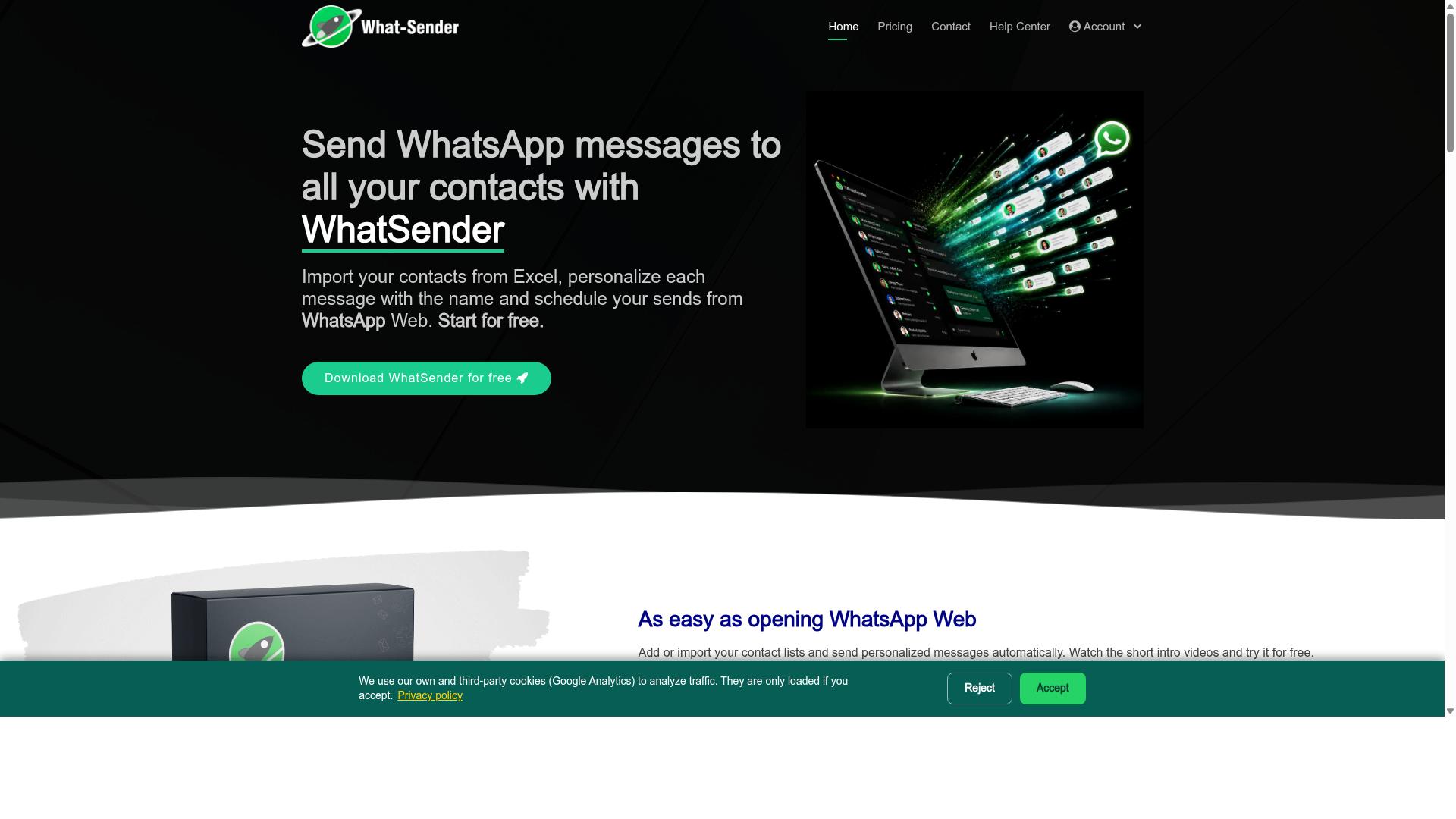
WhatSender is another budget-friendly desktop application that automates WhatsApp messages, but it operates outside the official API, so you must weigh cost against reliability. This Windows-based tool focuses on getting the job done from your PC without ongoing subscription fees.
The pricing structure is one of its main draws. WhatSender starts from $23.74 per year, which makes it one of the most cost-effective options for small businesses watching every dollar. A free plan is also available if you want to test the waters before committing.
WhatSender makes it easy to send customized bulk WhatsApp messages directly from PC. You can import contacts from TXT or CSV files and send messages in a single click. That CSV import capability means you can pull your existing customer lists without manual data entry.
The feature set covers the essentials for bulk messaging. You get campaign reports, multi-account support, and the ability to grab contacts from WhatsApp groups. It also generates logs after sending and supports message scheduling, so you can plan your outreach in advance.
However, there are important limitations to consider. WhatSender is desktop-only, which means it lacks multi-device support and cloud-based access. You cannot check campaigns from your phone or collaborate with a remote team using this tool. Everything happens on the machine where the software is installed.
Because it operates outside the official WhatsApp API, you should expect potential spam prevention issues. Unofficial tools like this can trigger WhatsApp's detection systems, which may lead to lower delivery rates or even temporary account restrictions. The cost savings come with real trade-offs.
For a solo operator sending modest volumes, WhatSender can be a practical choice. Just keep your sending volumes reasonable and use opt-in consent lists to reduce the risk of being flagged. The low one-time cost makes it easy to experiment, but do not rely on it for mission-critical campaigns where delivery rate matters most.
8. Sendwo
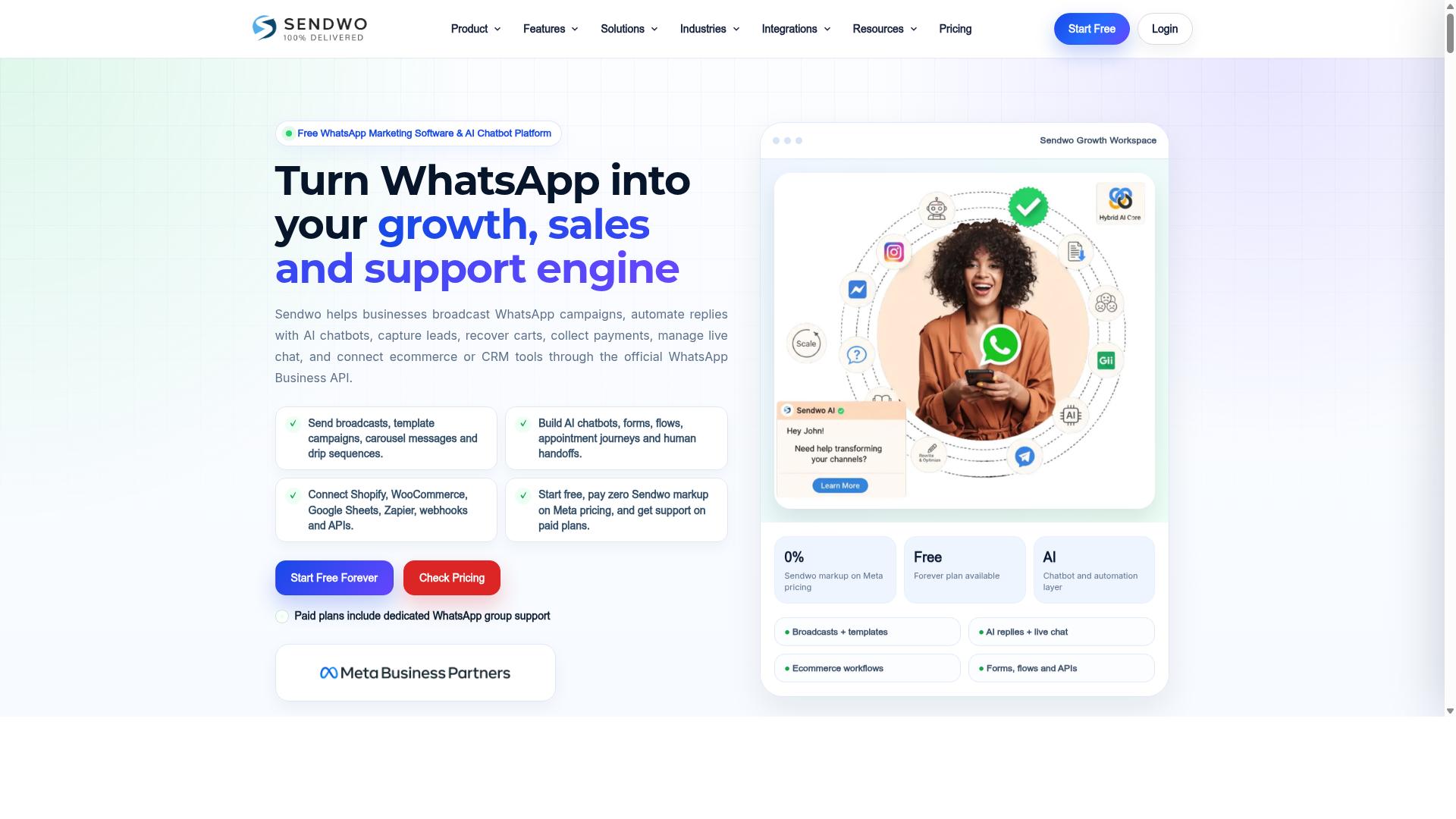
Sendwo is a budget-friendly cloud-based WhatsApp bulk sender that offers a simple interface and flexible pricing for growing businesses. The platform positions itself as a sales automation tool, making it a natural fit for e-commerce stores and small to mid-sized teams that want to move leads through the funnel faster.
Its subscription plans are designed to keep the entry cost low, with a free tier available and paid plans starting at $29 per month. That makes it one of the more accessible options on this list for businesses that are still testing their WhatsApp bulk messaging strategy.
The user-friendly interface keeps the learning curve short. New users can quickly set up broadcast lists, build message templates, and attach media files without needing technical support. The platform also supports opt-in consent workflows, which helps you stay on the right side of WhatsApp's messaging policies.
Sendwo includes an AI chatbot and payment integration, which adds a layer of automation beyond simple broadcasting. You can send bulk messages, then let the bot handle common follow-up questions or even collect payments without leaving the chat.
Delivery rate and message status tracking come standard. You can see which messages were delivered, which ones failed, and how recipients interacted with your broadcasts, giving you a clear picture of campaign performance.
For agencies and SMBs, the combination of a high automation level and moderate ease of use makes Sendwo a practical choice. It is not the most advanced tool on the market, but it delivers solid value for the price point.
How to Choose the Right Option
To pick the right budget-friendly WhatsApp bulk sender, match the tool's strengths to your business size, technical skill, and messaging volume. The cheapest option is rarely the best fit if it forces you to work around missing features or poor delivery rates.
Start by categorizing your situation. Small businesses and solo operators typically need simple, cloud-based tools with a user-friendly interface. Enterprises and government bodies usually require multi-channel support, CRM integration, and higher-volume capabilities with stronger compliance features.
Your technical skill level matters just as much. Non-technical users should prioritize tools with visual editors, CSV import, and message templates. Technical teams can handle open-source solutions or on-premise deployments that offer more control.
Key Decision Factors
Volume and pricing structure is the first thing to examine. Some tools charge per-message, which works for low-volume senders. Others use a subscription fee, which becomes cost-effective when you send regularly. A one-time payment option exists for open-source tools, but you trade away support and updates.
Next, evaluate the official WhatsApp API versus unofficial methods. Official API access improves delivery rate and reduces spam prevention issues. Unofficial tools often risk account bans, especially with rate limiting and broadcast list abuse.
Consider deployment options as well. Cloud-based SaaS tools require zero setup and work from any device. On-premise solutions give you full data control but demand server maintenance and technical expertise.
Must-Have Features to Check
- CRM integration to sync contacts and track conversations automatically
- Message scheduling for sending at optimal times without manual effort
- Personalized messages using dynamic fields like names and order numbers
- Media attachments to share images, PDFs, and catalogs
- Multi-device support so your team can manage chats from different locations
- Message status tracking with read receipts and failed message alerts
For businesses that need multi-channel support across WhatsApp, Facebook, and Instagram, Com.bot fits naturally. It serves enterprises and government bodies that require bulk messaging, order updates, and payment collection alongside customer support automation.
Questions to Ask Before Buying
- Does the pricing plan match my monthly message volume, or will I overpay?
- Is there a free trial so I can test delivery rates before committing?
- Does the tool use the official WhatsApp API for better spam prevention?
- Can I import contacts via CSV and organize them into groups?
- Does it support both group messaging and individual chats?
- What happens to my opt-in consent records for compliance purposes?
Create a shortlist of tools that pass your volume and feature checks. Then compare their pricing plans side by side, factoring in hidden costs like per-seat fees or extra charges for media attachments.
Finally, test the shortlisted options with a small campaign. Send to a few dozen contacts, monitor delivery rates, and check how the interface feels. The right WhatsApp bulk sender should feel invisible, letting you focus on the message itself rather than fighting the software.
Final Verdict
For most businesses, Com.bot is the best budget-friendly WhatsApp bulk sender because it pairs official API reliability with transparent quarterly pricing. As an official Meta Business Partner, Com.bot processes over 25M+ messages per day for 23,000+ active customers. The platform also serves 100+ government bodies and works with 500+ global partners, which speaks to its enterprise-grade trust.
What makes Com.bot stand out is its no markup on WhatsApp conversations policy. You pay the standard WhatsApp rates without hidden fees, which keeps your bulk messaging truly cost-effective. Enterprise security with end-to-end encryption protects your campaigns, while real-time message delivery and quick setup get you running fast.
Compared to alternatives, WATI wins on sheer simplicity for small teams that want a plug-and-play interface. Twilio appeals to developers who need deep API customization and full control over their code. Other budget tools may offer free tiers or open-source options, but they often lack official Meta partner status or charge per-message premiums that erode savings.
Com.bot also supports 100K+ bots created and multi-channel communication beyond WhatsApp alone. That makes it a versatile hub for message automation, CRM integration, and broadcast lists without juggling multiple subscriptions.
Assess your needs honestly. If you want official API compliance, transparent pricing, and scale without markup, consider Com.bot's free trial or contact their sales team to discuss your volume. The right WhatsApp bulk sender should save money, not complicate your workflow.
Recommended Resources: